
If you're new here, you may want to subscribe to my RSS feed. Thanks for visiting!
Hey everyone.
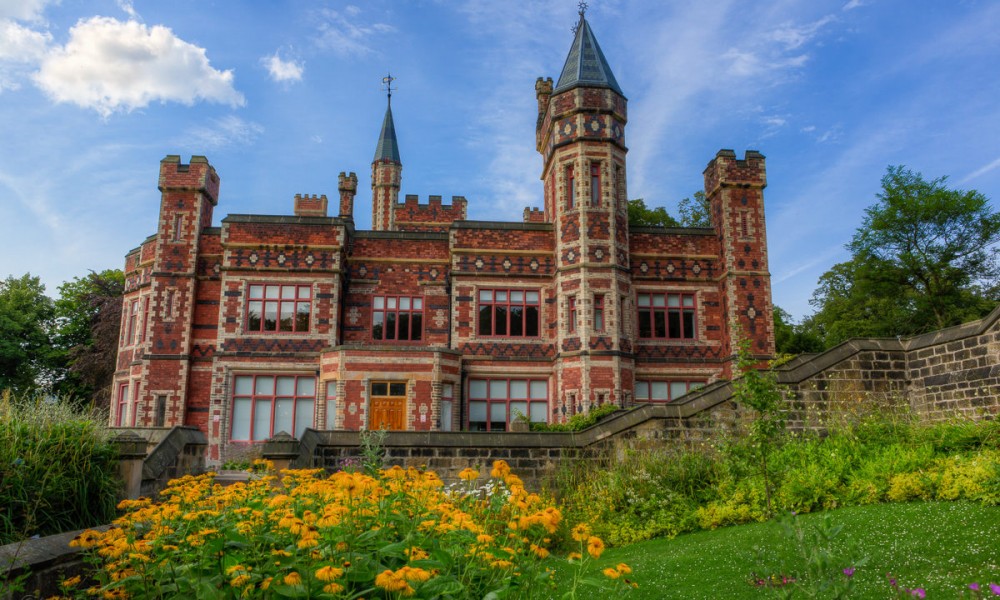
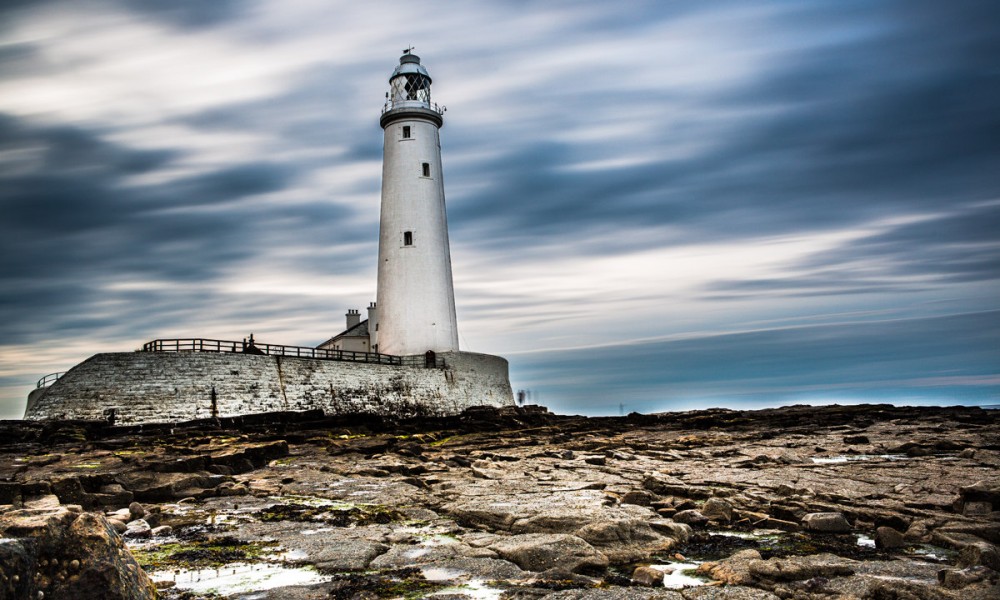
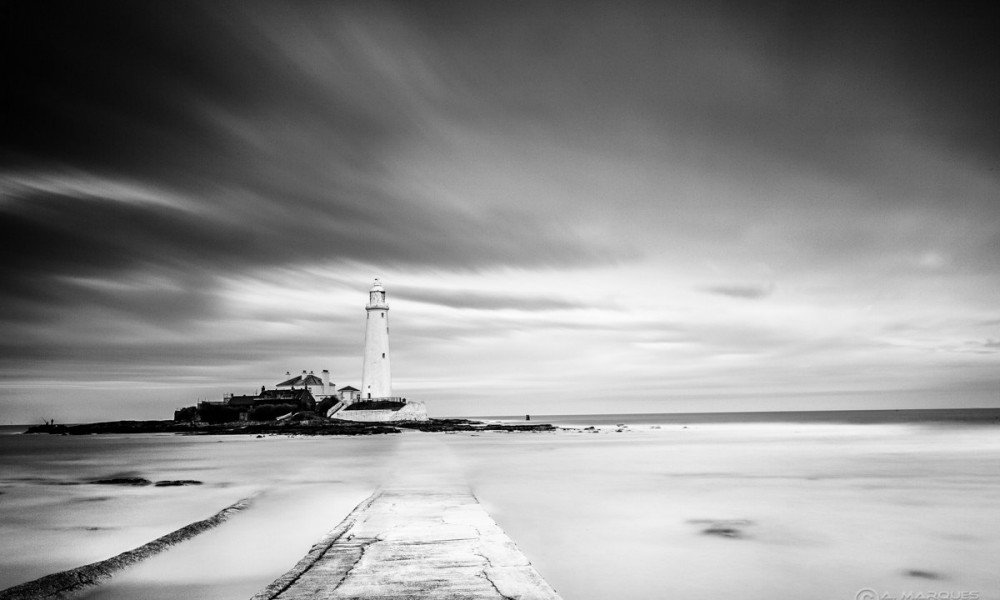
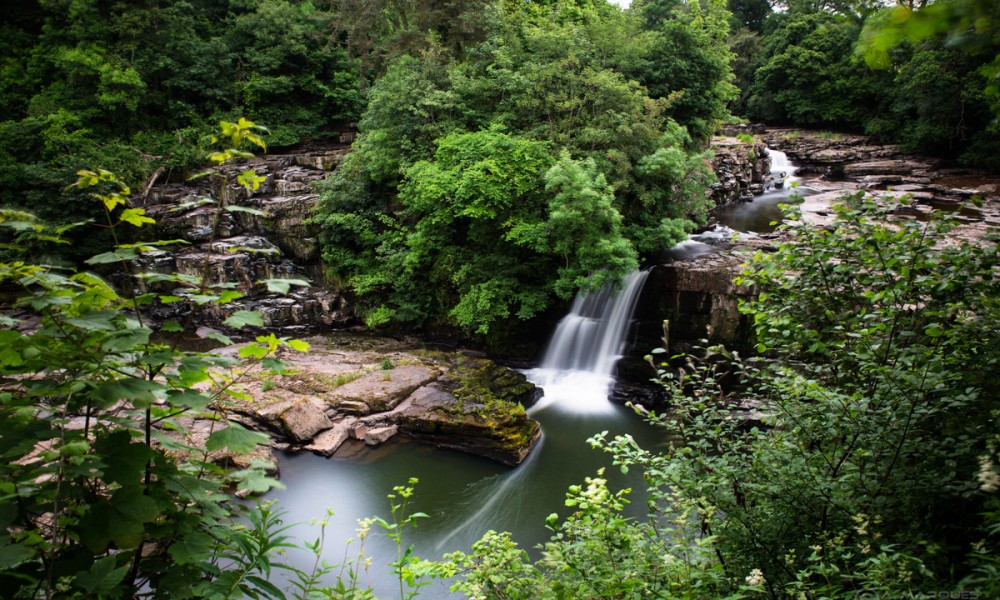
I’m having a sort of early spring sale of four of my Limited Edition Fine Art Prints.
The images below are on sale (click for a larger image):
Where I Lay to Rest
Glencoe Lochan I
New Haven Lighthouse
The Ring
The images are printed in Hahnemuehle FineArt Baryta fine art paper (325gsm, 100% cellulose) with Epson Ultrachrome Inks (guaranteed to last well over our lifetimes if displayed correctly).
Default size is 16" x 11" (aprox 40 x 27 cm), but I can arrange other sizes if you prefer.
Editions are numbered and limited to 25 units across all sizes, and a certificate of authenticity is issued with each print. If it’s important to you, I can let you know the current print number for each image before you order.
For a very limited time, the price of each print is reduced to USD $120 / GBP £75 and I can offer discounts if you buy more than one.
If you’re interested in one of these Fine Art Prints or if you’d like to know more details, do get in touch.
Earlier last week Google announced a new reverse image search service. In a similar fashion to other reverse image search engines on the market users can upload images, point to an image URL or even, if a Chrome or Firefox extension is installed, right-click on an image and directly perform the reverse image search. The results should, in principle, return other sites where the image is being used, similar images, and if the algorithm was able to recognize the subject of the image, suggested pages about said subject.
What does this mean for photographers?
One of the major concerns photographers face in the digital age is the unlicensed use of their images. Whether being done by lack of knowledge or knowingly infringing on other people’s copyrights, using unlicensed images is an increasing trend and represents a serious loss of revenue for photographers both amateur and professional.
The commercial need to showcase our images to the masses, whether on photo sharing sites and networks or on our own sites, exposes whole collections to those thinking that “just because it’s available online, it must be free”.
If you’re paranoid enough (not saying it is a bad thing), reverse image search engines permit us to, up to a limited extent, fight back this unwelcome side effect by allowing photographers to find where their images are being used online, albeit generally one by one. After an infringing image is found, the next step is up to the photographer, deciding to ignore it, attempting to license it, using take-down notices, or suing.
The concept is not new and there are several services on the market doing exactly the same thing, raging from free (e.g. TinEye) to very well paid (e.g. PicScout). Some services even allow you to upload your whole collection and, periodically, they’ll screen the web and report on any findings. Some large stock agencies are widely known for using these large scale services and aggressively pursuing infringers.
With the Orphan Works legislation (that I seem never to know if it has been approved or not, with all their back and forward), reverse image search provides another strong method for a photographer’s identity as author of an image to be established. Many would probably agree that this is the most important function reverse image search can have for photographers.
First impressions of Google’s reverse image search
The service seemed to become fully functional for me through a Chrome extension even before the roll-out at images.google.com. When you read this, I’m sure that the roll-out will be complete.
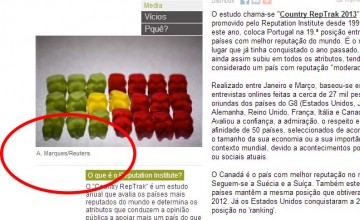
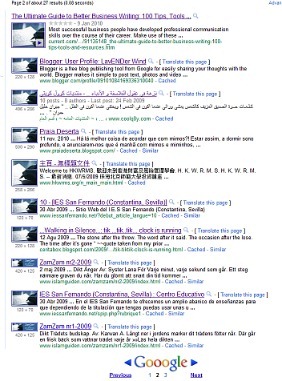
To test how good it was finding image use on the web, I tried it first with some images that I know to have limited stock value and, as expected, besides my own sites, weren’t found anywhere else. This totally changed with more conceptual images – Google was able to find them in many different sites, unlicensed, and of which I was not aware of. On the left you can see an example of a results page. This image was found 27 times, 21 of them unlicensed use.
The results with the similar images feature was not as good. One of the uses of similar image search can be to find derivative images, and it did not find some derivative work using my images I know to be around. At most, it was able to find images with similar color tonalities or similar patterns. This is probably the feature that needs more development in this service, but it is also the most difficult to do well.
The service is very very fast. Also surprising was its ability to recognize some of the subjects and point me to sites where I could read more about them (Wikipedia mostly).
In general, this service is very useful, easy and fast. It can be another tool for photographers to use against copyright infringers, but it can also turn into an immense and depressive waste of time. If you’re prone to paranoia, use in moderation.
The booming of smart phones, and all the apps associated with them, transformed the way that many people approach photography. Basically, if up to recently, the idea of carrying a compact camera everyday and everywhere was something that many, for various reasons, would not consider, now a fairly powerful camera is available as long as you carry your phone with you (and who doesn’t, right?). Consider that, on Flickr, the largest photo sharing platform available, the iPhone is now the most prevalent camera.
The Good
One of the apps that has exploded of late, both in number of users as well as number of photos shared through it is Instagram. The mix of a nicely designed app with a fairly good amount of filters for immediate processing, allied with powerful social features – photos can be immediately shared not only inside the app but also on the most widely used social networks, such as Twitter and Facebook, elevated this app to one of the most successful photography apps amongst the hundreds available. Arguably, even more than the camera and processing features, the social integration makes of Instagram the camera app of choice for many.
Another powerful feature of this app is its openness – a user can share not only photos made within Instagram, but also any photo on the phone’s drive (or “Camera Roll”). Therefore, if a user prefers a different app for usability or processing reasons, Instagram can still be used to broadcast the final image to his social circle, including the Instagram feed, which users can elect to “follow”. So far so good.
The Bad
However, this openness creates a situation that is driving me away from the app (or at least from the feeds) and, in my opinion, defeats the whole purpose of Instagram when it comes to sharing images specifically made with an iPhone – so called iPhoneography.
Having the possibility to share any photo on the Camera Roll, including images made with dSLRs and transferred to the phone, allows users to inject these latter images into the Instagram photo feed and therefore placing them right in front of anyone who follows them. This I find objectionable.
Now you can argue that I can stop following these users. I know and understand that, as I also understand the marketing reason for this, but this argument is besides the point I’m trying to make here.
The Dirty
There are more than enough venues for showing photos – if I like your work I’ll follow you in Flickr, or 500px, or your blog, or… When I look at the Instagram feed I’m expecting to see the more alternative, candid and spur of the moment images that can be made with a mobile phone, not the high-end camera produced, Photoshop retouched images you can make.
Keep my Instagram photo feed “dirty” and leave the “clean” images for other venues where they’ll be much more appreciated.
Discuss
Now to you. Have you noticed this trend before? Is it something that bothers you or is it an acceptable practice to share any images on the feed, independently of having been produced with the phone?
Discuss and leave your thoughts and ideas in the comments bellow.
I came across this video and just had to share it. It features a conversation between Ken Light, Fred Ritchin and documentary and fine art photographer Sebastiao Salgado, at UC Berkeley.
The importance of photography, due to the enormous prevalence of cameras, is sometimes trivialized. If you’ve ever doubted the importance of the still frame and of the documentary photographer in activism, do take the time to watch it.
This is a video that will put you on a new frame of mind every time you go out to photograph.
Some time ago, and after a series of conversations with like-minded people, I was included on the Editorial board of a new magazine…
After a long time in planning and then some more for execution, I have the pleasure of introducing to you Aksgar Magazine.
In a sentence, Aksgar (Urdu for photographer) is a new magazine dedicated to the publication of documentary and narrative photography from around the world, in the form of photo essays.
Our aim with Aksgar is to provide a platform to publish work that has normally “less space” in traditional media, whether due to it’s alternative content or because the authors are not well known, but still deserves to be seen.
Besides the online presence, Aksgar will periodically be distributed electronically (pdf, app, etc)and in print. And as a sort of welcoming treat, if you subscribe to the newsletter, you’ll receive the first issue of Aksgar in pdf for free. Want different ways to connect with Aksgar? Follow us also on twitter.
We are currently accepting submissions. If you think your work is suitable to be featured in Aksgar, read the submission guidelines and click that submit button.
This is going to be quite a ride and, I expect, way out of my comfort zone, but I’m sure it will also be a rewarding one.
Take a look at some of the essays already published and tell me what you think…